
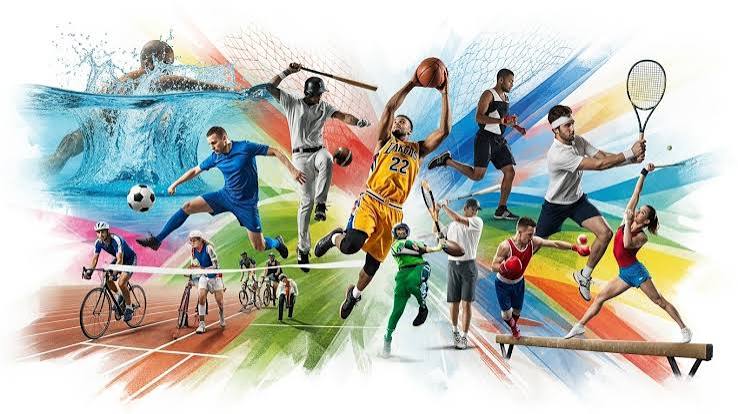
Sports have always played an important role in human society. From ancient Olympic competitions to modern international tournaments, sports bring people together, inspire excellence, and promote healthy lifestyles. Whether it’s football, cricket, basketball, tennis, athletics, or any other sport, the impact of sports extends far beyond the playing field.

Physical Health Benefits of Sports
One of the greatest advantages of participating in sports is improved physical health. Regular exercise strengthens the heart, improves blood circulation, builds muscle strength, and enhances flexibility. People who play sports consistently are less likely to develop chronic illnesses such as obesity, diabetes, high blood pressure, and heart disease.
In today’s fast-paced digital world, where many people spend hours sitting in front of screens, participating in sports has become more important than ever. Regular physical activity not only helps maintain fitness but also reduces stress, improves confidence, and encourages teamwork. Whether you’re a professional athlete or someone who enjoys playing on weekends, sports can positively transform your life.
Sports also improve endurance and stamina. Activities like running, swimming, cycling, and football challenge the body’s cardiovascular system, helping individuals stay energetic and active throughout the day. Children who participate in sports develop stronger bones and muscles, while older adults can maintain mobility and reduce the risk of age-related health issues.
In addition, sports encourage healthy habits. Athletes often pay closer attention to nutrition, hydration, sleep, and recovery, creating a balanced lifestyle that supports long-term well-being.
Mental Health and Emotional Well-Being
The benefits of sports are not limited to physical fitness. Playing sports significantly improves mental health by reducing stress, anxiety, and depression. Physical activity triggers the release of endorphins, commonly known as “feel-good hormones,” which naturally boost mood and reduce emotional stress.
Sports also improve concentration and memory. Athletes learn to stay focused under pressure, make quick decisions, and solve problems during competition. These mental skills are valuable in everyday life, from academics to professional careers.
Winning a match brings confidence, while losing teaches resilience. Athletes learn that setbacks are temporary and that improvement comes through dedication and consistent effort. These lessons help people develop emotional strength and a positive attitude toward challenges.
Developing Essential Life Skills
Sports are among the best teachers of life skills. Every game provides opportunities to learn discipline, responsibility, patience, and perseverance. Athletes understand the importance of following rules, respecting coaches, and supporting teammates.
Team sports such as football, cricket, basketball, and volleyball emphasize communication and cooperation. Players must work together toward a common goal, learning how to trust others and contribute to collective success. These teamwork skills are highly valuable in workplaces and personal relationships.
Individual sports like tennis, badminton, boxing, and athletics teach self-discipline and personal accountability. Success depends on individual preparation, focus, and determination, encouraging athletes to take responsibility for their own performance.
Sports also teach time management. Student-athletes often balance training sessions, schoolwork, family responsibilities, and personal commitments, developing organizational skills that benefit them throughout life.
Sports Unite Communities
One of the most remarkable aspects of sports is their ability to bring people together. Major sporting events attract millions of fans from around the world, creating a shared sense of excitement and unity. Regardless of language, nationality, religion, or culture, sports provide common ground where people celebrate talent and fair competition.
Local sports clubs strengthen neighborhoods by encouraging community participation. Families gather to support young athletes, volunteers organize events, and friendships develop through shared experiences. Sporting competitions foster community pride and create lasting memories for participants and spectators alike.
International tournaments also promote cultural exchange. Athletes represent their countries while demonstrating respect for competitors from different backgrounds, encouraging peace, understanding, and global friendship.
The Role of Technology in Modern Sports
Technology has transformed sports in countless ways. Advanced training equipment helps athletes monitor performance, improve techniques, and prevent injuries. Wearable fitness devices track heart rate, speed, distance, and recovery, allowing coaches to create personalized training programs.
Video analysis has become an essential coaching tool, enabling teams to review performances and identify areas for improvement. Technologies such as goal-line systems, Hawk-Eye, and video assistant referees (VAR) have improved accuracy in officiating, making competitions fairer.
Fans also benefit from technological advancements. Live streaming, mobile apps, and social media platforms provide instant access to scores, highlights, interviews, and behind-the-scenes content. Supporters can follow their favorite teams and athletes from anywhere in the world.
Inspiring the Next Generation
Professional athletes serve as role models for millions of young people. Their dedication, discipline, and perseverance inspire children to pursue their dreams both in sports and in life. Many successful athletes overcome difficult circumstances through determination and hard work, proving that success is possible regardless of one’s background.
Youth sports programs provide children with opportunities to stay active, develop friendships, and build confidence. Participation in sports also teaches young people how to handle both success and disappointment with maturity.
Parents, coaches, and teachers play a crucial role in encouraging healthy participation. Rather than focusing only on winning, they should emphasize personal improvement, teamwork, respect, and enjoyment of the game.
Challenges Facing Modern Sports
Despite their many benefits, sports also face several challenges. Doping, corruption, match-fixing, discrimination, and violence threaten the integrity of competitions. Organizations around the world continue working to strengthen regulations, improve transparency, and ensure fair play.
Injuries remain another concern, especially in contact sports. Proper coaching, safety equipment, medical support, and injury prevention programs are essential for protecting athletes at every level.
Access to sports facilities can also be limited in some communities. Governments, schools, and private organizations should invest in parks, playgrounds, and sports infrastructure to ensure everyone has the opportunity to participate regardless of their economic background.
The Future of Sports
The future of sports looks incredibly promising. Advances in sports science, nutrition, artificial intelligence, and performance analytics will continue helping athletes reach new levels of excellence. Virtual reality training, smart equipment, and data-driven coaching are already changing how athletes prepare for competition.
Women’s sports are experiencing unprecedented growth, attracting larger audiences, greater sponsorships, and increased media coverage. This progress is creating more opportunities for female athletes worldwide and inspiring future generations.
Esports have also emerged as a major form of competitive entertainment, expanding the definition of sports and attracting millions of fans globally. While traditional sports remain popular, digital competitions are creating exciting new opportunities for athletes, teams, and spectators.
Conclusion
Sports are far more than games played for entertainment. They improve physical fitness, strengthen mental health, develop valuable life skills, and unite communities across the globe. From local playgrounds to international championships, sports inspire individuals to challenge themselves, work together, and strive for excellence.
Whether you’re playing your favorite sport, cheering for your team, or encouraging young athletes, sports enrich lives in countless ways. By promoting fair play, inclusivity, and healthy competition, we can ensure that sports continue to inspire future generations and remain a powerful force for positive change in society.