
Education is often described as the key to success, and for good reason. It equips individuals with the knowledge, skills, and confidence needed to navigate life’s challenges and seize new opportunities. From early childhood to adulthood, education plays a vital role in shaping our character, expanding our perspectives, and preparing us for a rapidly changing world.
In today’s digital age, education extends far beyond traditional classrooms. Online learning platforms, virtual classrooms, educational apps, and digital libraries have made learning more accessible than ever before. Whether someone is pursuing a university degree, learning a new language, or developing professional skills, education remains a lifelong journey that enriches both personal and professional lives.
Education Builds Knowledge and Understanding
This knowledge forms the foundation for critical thinking and informed decision-making.
A well-educated person can analyze information, solve problems creatively, and adapt to changing circumstances. Instead of accepting information at face value, education teaches people to question, research, and evaluate facts before reaching conclusions. These skills are invaluable in both everyday life and the workplace.
Furthermore, education nurtures curiosity. It encourages students to explore new ideas, ask meaningful questions, and continuously seek answers. This desire to learn often leads to innovation, discovery, and personal growth.
Personal Growth Through Education
Education is not only about academic achievement—it is also about developing as a person. Students learn valuable life skills such as communication, teamwork, leadership, time management, and responsibility. These qualities help individuals build strong relationships and become active members of society.
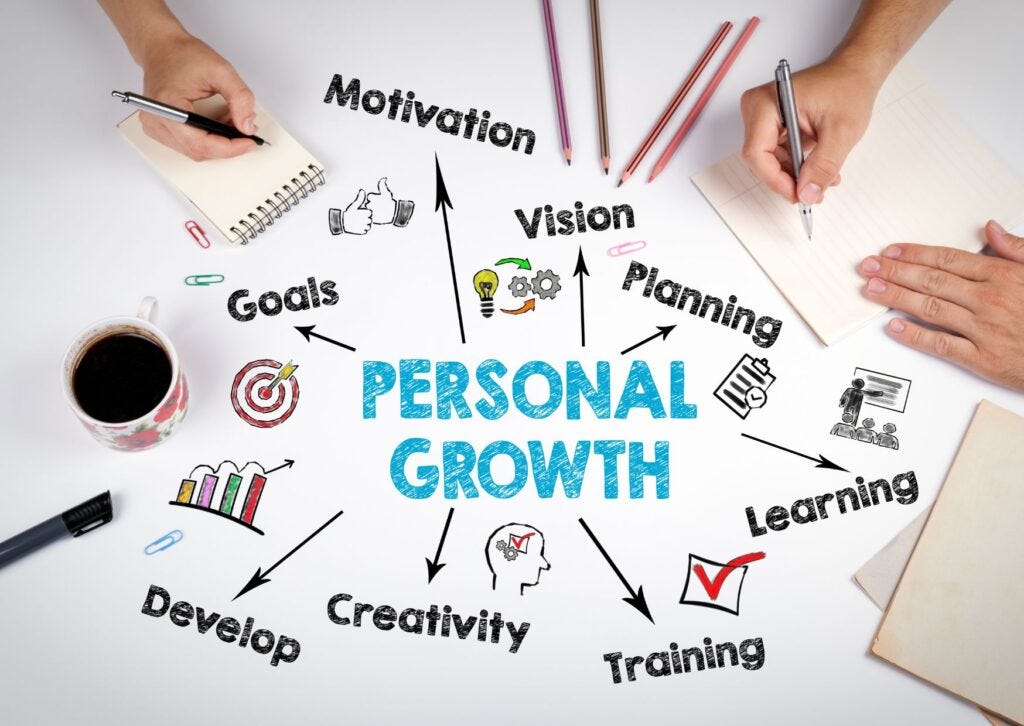
confidence is another important benefit of education
Confidence is another important benefit of education. As people gain knowledge and develop new skills, they become more capable of handling challenges and making independent decisions. Education empowers individuals to believe in their abilities and pursue their goals with determination.
Additionally, education promotes discipline and perseverance. Completing assignments, preparing for exams, and overcoming academic challenges teach students the importance of hard work and resilience.
The Connection Between Education and Career Success
A quality education significantly improves career opportunities. Employers seek candidates who possess both technical expertise and essential soft skills such as communication, critical thinking, adaptability, and problem-solving.
Higher education often opens doors to specialized professions including engineering, healthcare, education, finance, information technology, and law. However, success is not limited to university graduates. Vocational education, technical training, and professional certifications provide practical skills that are highly valued in today’s workforce.
As industries continue to evolve, employees must update their knowledge regularly. Lifelong learning has become essential for career advancement, allowing professionals to stay competitive and adapt to emerging technologies and workplace demands.
Technology Has Changed the Way We Learn
Technology has revolutionized education by making learning flexible, interactive, and accessible. Students can now attend online classes, participate in virtual discussions, complete assignments digitally, and access educational resources from anywhere in the world.
Interactive videos, simulations, educational games, and artificial intelligence have transformed traditional learning methods into engaging experiences. Personalized learning platforms allow students to progress at their own pace while receiving customized feedback.
Despite these advancements, technology should complement—not replace—human interaction. Teachers continue to play an essential role by providing guidance, encouragement, mentorship, and emotional support that technology alone cannot offer.
Challenges Facing Modern Education
Although education has made remarkable progress, several challenges remain.
One of the biggest issues is unequal access to quality education. Many students in rural or low-income communities still face difficulties due to limited educational resources, inadequate infrastructure, and lack of internet access.
Another challenge is keeping educational curricula relevant. As technology advances and industries change, schools must update their teaching methods and course content to prepare students for future careers.
Student mental health is also becoming an increasing concern. Academic pressure, competition, and social expectations can affect emotional well-being. Educational institutions should create supportive environments that encourage both academic success and mental wellness.
Teacher training and professional development are equally important. Educators need ongoing opportunities to learn modern teaching strategies and effectively integrate technology into their classrooms.
The Importance of Lifelong Learning
Graduation should never mark the end of learning. In today’s rapidly evolving world, continuous education is essential for both personal and professional growth.
People can continue learning through online courses, workshops, books, podcasts, webinars, and professional development programs. Lifelong learning helps individuals remain adaptable, confident, and prepared for new challenges.
Developing a habit of continuous learning also keeps the mind active and encourages creativity. Whether learning a new language, mastering digital skills, or exploring a hobby, every learning experience contributes to personal development.
Education Promotes Equality and Social Progress
The primary purpose of education is to provide knowledge. It helps individuals understand the world around them, from science and mathematics to history, literature, and technology.
Education has the power to transform societies by reducing poverty, promoting equality, and creating opportunities for everyone. It enables individuals from diverse backgrounds to improve their quality of life and contribute positively to their communities.
Access to quality education empowers women, supports economic development, and strengthens democratic participation. Educated citizens are more likely to engage in community service, vote responsibly, and advocate for positive social change.
Education also promotes respect for cultural diversity. By learning about different traditions, beliefs, and perspectives, students develop empathy, tolerance, and understanding—qualities that are essential in today’s interconnected world.
Practical Tips for Successful Learning
Success in education requires consistent effort and effective study habits. Here are some practical tips for learners of all ages:
- Set realistic academic goals.
- Create a daily study schedule.
- Stay organized with notes and assignments.
- Read beyond textbooks to expand your knowledge.
- Participate actively in classroom discussions.
- Ask questions whenever something is unclear.
- Practice problem-solving regularly.
- Limit distractions while studying.
- Maintain a healthy balance between learning, exercise, and rest.
- Stay curious and never stop exploring new ideas.
Small, consistent improvements often lead to significant long-term success.
The Role of Parents and Communities
Education is a shared responsibility. Parents, teachers, schools, and communities all play important roles in supporting student success.
Parents can encourage learning by creating positive study environments, reading with their children, and showing interest in academic progress. Communities can contribute by supporting libraries, educational programs, scholarships, and extracurricular activities.
When families and educators work together, students are more likely to stay motivated, perform well academically, and develop strong character.
Conclusion
Education is one of the greatest investments anyone can make. It provides knowledge, builds confidence, develops essential life skills, and creates opportunities for a brighter future. Beyond career success, education helps individuals become responsible citizens, thoughtful leaders, and lifelong learners.
As the world continues to evolve, the value of education will only grow stronger. By embracing continuous learning, supporting educators, and ensuring equal access to quality education, we can build stronger communities and create a more prosperous future for generations to come. Education is not simply about earning qualifications—it is about unlocking human potential and empowering people to make a lasting difference in the world.